
New Time-Based Defenses on GitHub and PyPI: What Sysadmins Must Know
New Time-Based Defenses on GitHub and PyPI: What Sysadmins Must Know
Why Time Is Now a Security BarrierIn the ever-evolving landscape of cybersecurity, a new trend is emerging: using time itself as a defense mechanism....
Why Time Is Now a Security Barrier
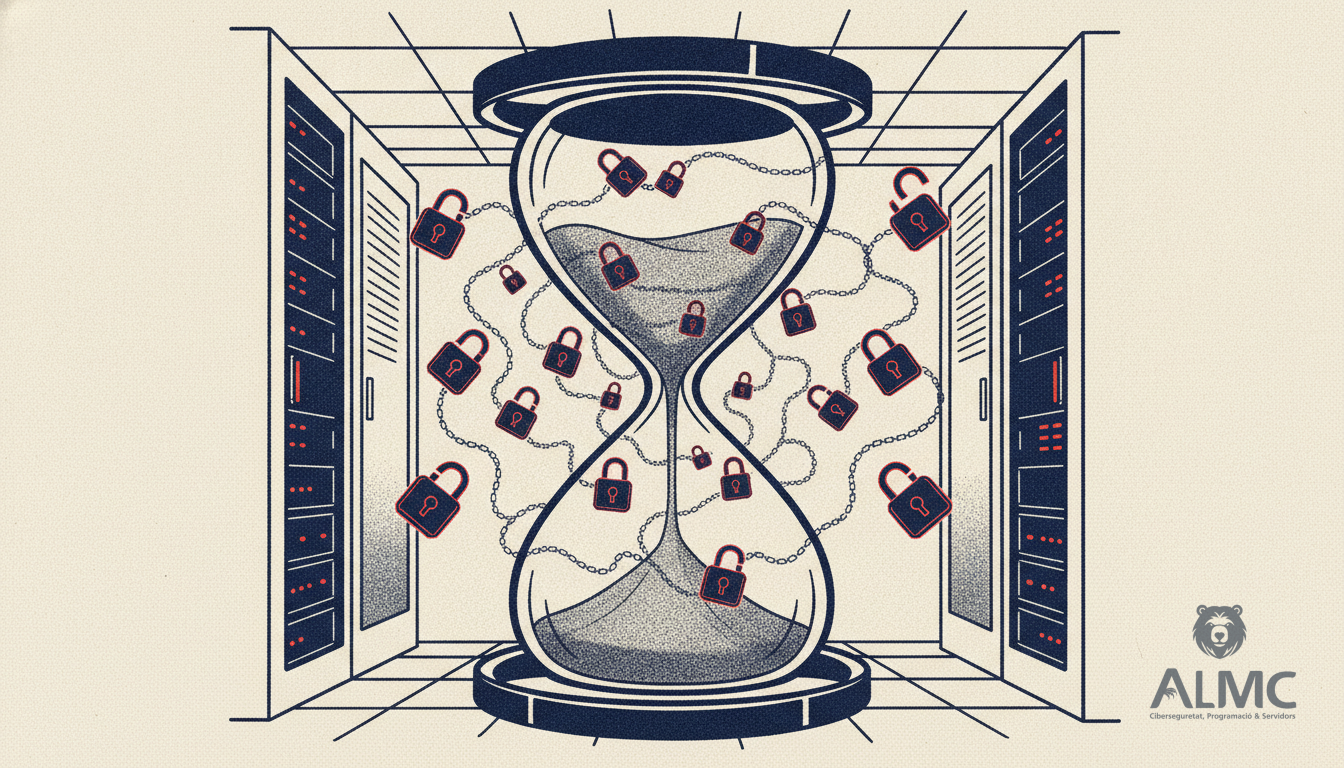
In the ever-evolving landscape of cybersecurity, a new trend is emerging: using time itself as a defense mechanism. Recently, two major platforms in the software development ecosystem, GitHub and PyPI, have introduced changes that deliberately introduce delays in the update process. These measures aim to mitigate the risks associated with supply chain attacks, where malicious actors exploit the trust between developers and the dependencies they use.
For system administrators and hosting companies in Spain, particularly those managing servers in regions like Catalonia (Barcelona, Lleida, Tarragona, Girona), understanding these changes is crucial. They directly impact how you handle software updates, security patches, and overall server protection.
Dependabot's 72-Hour Cooldown
GitHub's Dependabot, the automated dependency management tool, now waits 72 hours before opening a pull request for a new version update. This cooldown period does not apply to security updates, which remain immediate to address critical vulnerabilities. The rationale is to prevent projects from automatically adopting a version that has not yet undergone community scrutiny. This is particularly important in the context of server security, where a rushed update could introduce vulnerabilities or compromised code.
For teams that rely heavily on automation, this change means adjusting their workflow. The cooldown can be customized or disabled via the 'cooldown' option in the dependabot.yml file. This flexibility is essential for organizations with strict maintenance windows or their own validation processes. GitHub Enterprise Server will also incorporate this feature, with deployment planned for GHES 3.23.
PyPI's 14-Day Release File Restriction
PyPI, the central repository for Python packages, now rejects the upload of new files to a release if it was published more than 14 days ago. This measure targets a tactic known as 'version poisoning', where attackers compromise old, stable versions by uploading malicious artifacts with the same version number but different content. Such actions complicate audits and break fundamental assumptions in many build environments.
The change, integrated on July 8, 2026, follows a heated debate that resurfaced in March after compromises in projects like LiteLLM and Telnyx, linked to a mutable reference in the GitHub Action Trivy. PyPI acknowledges that the ecosystem lacks standardized semantics and APIs to declare whether a release is 'open' or 'closed', but anticipates improvements with initiatives like Upload 2.0 API and Staged Previews.
Implications for Server Security and Maintenance
For professionals responsible for server infrastructure, these changes underscore the importance of a proactive security posture. Here are some actionable steps to adapt:
- Review your Dependabot configuration: Assess whether the default 72-hour cooldown fits your update cadence. If you need faster updates for non-security versions, consider adjusting the 'cooldown' setting, but weigh the risks.
- Prioritize security updates: Even with the cooldown, security updates remain immediate. Ensure your monitoring systems flag these promptly and that your team responds without delay.
- Strengthen dependency pinning: Use lockfiles and exact version pinning to reduce unexpected changes in your package graph. This minimizes the attack surface for malicious updates.
- Plan PyPI releases carefully: If you are a package maintainer, ensure you publish all wheels and artifacts within the 14-day window. For new Python version support after that period, publish a new package version instead of modifying an old release.
- Enforce strict CI/CD hygiene: Implement least-privilege permissions for tokens, rotate credentials regularly, and use anti-fraud controls to prevent a single compromise from leading to widespread damage.
Aligning with Broader Security Practices
These platform-level changes are not a silver bullet. They are part of a broader strategy that includes robust server protection, IP reputation management, and proactive threat blocking. For businesses in Spain, complying with GDPR and ensuring the security of customer data is paramount. Centralizing security measures, such as using tools that block malicious IPs and share threat intelligence across servers, can significantly enhance your defense posture.
At ALMC.es, we understand the complexities of managing secure server environments. Our approach integrates these latest developments into comprehensive security strategies, helping you stay ahead of threats while maintaining operational efficiency.
Conclusion
The introduction of time-based defenses on GitHub and PyPI marks a significant shift in how the developer community addresses supply chain attacks. By understanding and adapting to these changes, system administrators can better protect their infrastructure, reduce the risk of compromised dependencies, and ensure the integrity of their software supply chain. As the threat landscape evolves, so must our defenses—and sometimes, a little patience is the best security measure.
Related
- Gitea Critical Flaw: Git Hooks Open Door to Server Takeover
- Cisco FMC zero-day exploited: what sysadmins must do now
- Coldcard Flaw: How Weak Seed Entropy Led to a $88M Bitcoin Heist
- Desarrollo web
Put these ideas into practice
Talk to ALMC about a solution for your business. Explore your options or contact our team.