
OT Security Lessons from the French Refrigeration Attack
OT Security Lessons from the French Refrigeration Attack
When we think about cyberattacks on retail, we usually picture stolen card data or a ransomware note on a till. The incident that hit supermarket refr...
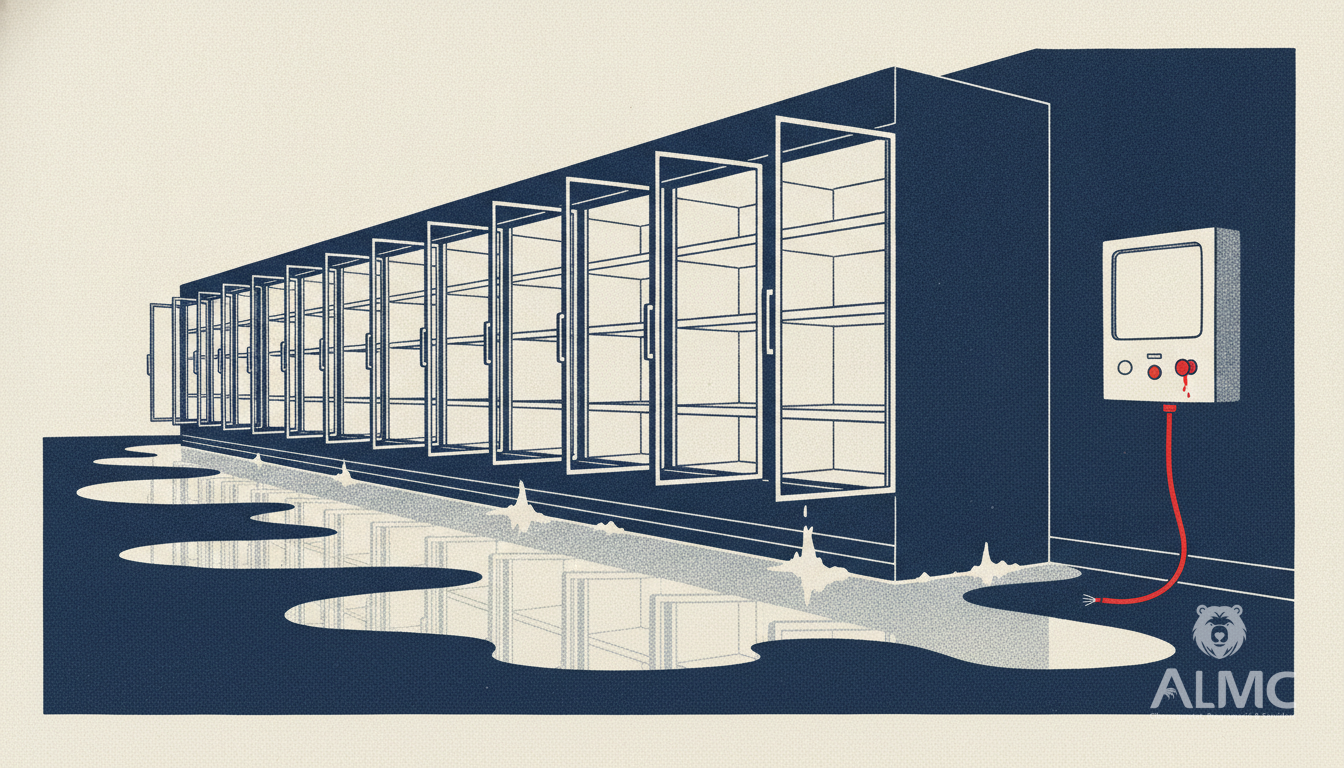
When we think about cyberattacks on retail, we usually picture stolen card data or a ransomware note on a till. The incident that hit supermarket refrigeration systems in France earlier this year shows a different, more physical kind of damage: attackers manipulated cooling controllers remotely, raised temperatures and forced defrost cycles, and stores had to throw away stock. Several chains were affected, and the Paris prosecutor's office opened an investigation. For anyone running servers or operational technology in Spain, the case is a useful reminder that the boundary between IT and the physical world is thinner than it looks.
What actually happened
The attack targeted refrigeration controllers used to manage cold rooms and display cabinets. By altering operating parameters, intruders triggered automatic defrost cycles and pushed temperatures up. In a food retail environment, that can spoil merchandise within hours. Early reports point to web management interfaces running outdated software as the weak point. The exact intrusion vector has not been confirmed, but the technical context is uncomfortable: security researchers had already described flaws in those controllers that make remote access easier when the web console is reachable from the internet. One flaw allowed authentication bypass and could leak internal IP addresses, store names or usernames. Others enabled command injection or configuration tampering after authentication, with potential denial of service. Thousands of management interfaces had been observed as internet-exposed, with a large share located in France.
Why exposed management panels are a recurring problem
The pattern is not unique to refrigeration. Any device with a web console, a default password and a public IP address is a candidate for abuse. In industrial and building environments, the problem is amplified because these systems were often designed for convenience rather than security. Common issues include:
- Management interfaces reachable directly from the internet, sometimes indexed by search engines.
- Firmware and software versions that lag months or years behind vendor advisories.
- Shared or weak credentials, and no multi-factor authentication.
- Flat networks where a compromised controller can talk to other systems.
- No monitoring of configuration changes or unusual operating patterns.
Each of these is manageable on its own. Together, they lower the barrier to entry to the point where an attacker only needs to find a panel and try.
Practical hardening for controllers and servers
The first step is an inventory. You cannot protect what you have not listed. Identify every controller, gateway and management console in your estate, note its software version and check whether its web interface is reachable from outside your network. If it is, close that exposure immediately. Remote administration should travel through a VPN or a trusted management network, with access control lists that restrict which origins can connect. Then patch: vendor advisories usually specify the minimum version that fixes each flaw, and in this case the required versions were clearly stated. Where patching is not immediately possible, isolate the device on a separate VLAN and restrict what it can reach.
Network segmentation between IT and OT is not a luxury. It limits lateral movement if a single device is compromised. Credential hygiene matters too: unique passwords, no shared accounts, and auditing of administrative access. Traceability of configuration changes helps you understand what happened after an incident, and monitoring should alert on abnormal temperature changes, out-of-pattern defrost cycles and unexpected configuration edits. Finally, have a contingency plan for preserving the cold chain, because when prevention fails, the response decides how much product ends up in the bin.
Where Abuse Shield fits
Most of these measures depend on knowing who is knocking on your door and stopping them early. That is where Abuse Shield from ALMC.es helps. It centralises protection across your servers: automatic blocking of malicious IPs, managed fail2ban across multiple machines, and a shared IP reputation feed so that a threat detected on one server is immediately known to all the others. For system administrators, hosting companies and SMEs in Barcelona, Lleida, Tarragona or Girona that run their own infrastructure, this means less time tuning individual firewalls and more consistent defence. If an attacker probes one of your machines, the reputation feed can block that address across your whole fleet before it reaches the next target. Combined with the OT hardening steps above, it reduces the window of opportunity that made the French incident possible.
Compliance and business continuity
Under GDPR, a security incident that affects operations can also trigger notification duties if personal data is involved. But even without a data breach, the operational and financial impact of a successful attack on cooling or production systems is significant. Insurance may cover part of the loss, but it will not restore customer trust. Treating security as part of business continuity, not just an IT checkbox, is the lesson that retail chains in France are learning the hard way. The same applies to any organisation with connected equipment: review exposure, patch promptly, segment networks and monitor for anomalies. A small investment in visibility and automated blocking goes a long way.
Related
- How to Harden Your Servers with Fail2ban and IP Reputation Feeds
- Fail2ban: Your First Line of Defense Against Unauthorized Server Access
- Critical libssh2 flaw: urgent patch for SSH servers
- Desarrollo web
Put these ideas into practice
Talk to ALMC about a solution for your business. Explore your options or contact our team.